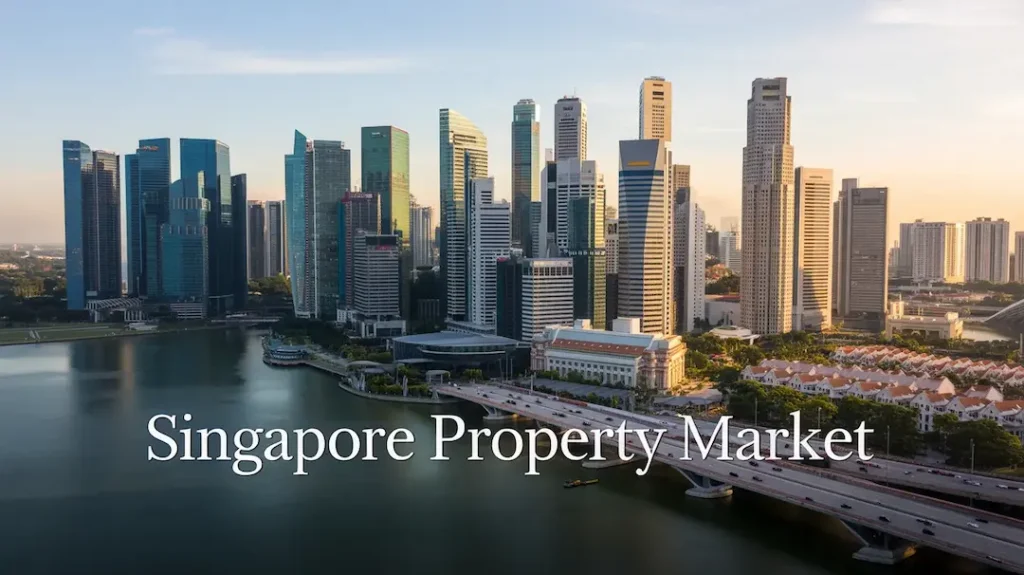
The Singapore property market has long been seen as one of the most stable and well-regulated real estate markets in Asia. Even during global uncertainty, it continues to attract both local and international investors. But with rising prices, government cooling measures, and shifting economic conditions, many people are now asking the same question: is it still a good investment in 2026?
As someone who closely follows the Singapore real estate market trends, I’ve seen cycles of optimism and caution—but also remarkable resilience. In this article, I’ll break down current conditions, investor opportunities, risks, and a real-life case study to help you understand whether entering the market today still makes sense.
Content
Understanding the Current Singapore Property Market
The housing market Singapore analysis shows a clear pattern: steady long-term growth with short-term fluctuations. Unlike many global markets, Singapore’s property sector is tightly regulated, which prevents extreme bubbles but also limits explosive gains.
Recent data trends highlight:
Gradual increase in property prices in Singapore
Strong demand for both private condos and HDB resale units
Limited land supply driving long-term price stability
Consistent foreign interest in high-end residential projects
The private property market Singapore segment, especially condominiums, continues to outperform expectations due to strong rental demand and urban lifestyle appeal.
Is It Still a Good Investment in 2026?
To answer the core question—is the Singapore property market still a good investment right now?—we need to look at both fundamentals and investor behavior.
From my experience observing buyers, most long-term investors still see Singapore as a “safe haven” market. Even when short-term cooling measures are introduced, they tend to stabilize prices rather than crash them.
Key reasons investors remain confident:
1. Strong Economic Foundation
Singapore’s economy remains one of the most stable globally, which directly supports its real estate sector.
2. High Demand vs Limited Supply
Land scarcity continues to push long-term appreciation in the Singapore property market forecast.
3. Global Investor Trust
Foreign investors still view Singapore as a low-risk destination compared to other Asian markets.
Key Factors Driving the Market
Real Estate Demand Singapore
Population growth, immigration policies, and urbanization continue to fuel real estate demand Singapore, especially in central and city-fringe areas.
Condominium Market Singapore
One of the strongest segments is the condominium market Singapore, where modern facilities, location, and rental yield potential attract both end-users and investors.
Government Policies
Cooling measures such as Additional Buyer’s Stamp Duty (ABSD) help prevent speculation, ensuring the market remains stable rather than overheated.
Singapore Property Price Index
The gradual upward movement in the Singapore property price index reflects steady appreciation rather than volatility, which is a key attraction for risk-averse investors.
Risks Investors Should Consider
Even though the market is strong, it is not risk-free.
The Singapore property market forecast suggests moderate growth rather than rapid spikes, so expectations should be realistic.
Real-Life Case Study: A Smart Condo Investment Journey
Let me share a practical example based on a real investor scenario I’ve observed.
A mid-career professional from Malaysia entered the Singapore property market in 2021. Instead of rushing into a high-end unit, he focused on understanding Singapore condo market trends for foreign investors and attended multiple project previews before making a decision.
Eventually, he chose a well-located private condominium near an upcoming MRT line. Before buying, he visited several showflats, including the Lucerne Grand Showflat, which helped him better understand layout efficiency, finishing quality, and developer credibility.
His Strategy:
Long-term holding (10+ years)
Focus on rental yield and capital appreciation
Careful study of factors affecting Singapore housing market growth
Avoided emotional buying decisions
Outcome:
Within 3 years:
Property value increased steadily
Rental demand remained strong due to nearby business hubs
Monthly rental income covered a significant portion of mortgage repayments
This case highlights that success in Singapore real estate is not about timing the market perfectly, but about understanding cycles and choosing the right location.
Why Showflat Experience Matters
Many first-time investors underestimate the importance of visiting a showflat. In reality, it plays a major role in decision-making.
For example, the Lucerne Grand Showflat experience allows buyers to:
Visualize actual living space
Compare unit layouts
Assess finishing quality
Understand developer standards
This hands-on experience often makes the difference between an average purchase and a smart investment.
Future Outlook of the Singapore Property Market
Looking ahead, the Singapore property market forecast next 5 years suggests continued stability with gradual appreciation.
Some expected trends include:
Increased demand for suburban luxury condos
Strong growth in mixed-use developments
Rising interest in energy-efficient and smart homes
Continued government regulation to maintain affordability
From an investor perspective, the future outlook of Singapore real estate market for investors remains positive but measured. Rapid gains are unlikely, but steady long-term value creation remains highly probable.
Final Verdict: Still a Good Investment?
So, is the Singapore property market still a good investment?
Based on current trends, the answer is yes—but with a long-term mindset.
If you are looking for:
Stability over speculation
Consistent rental demand
Strong capital preservation
A globally trusted real estate environment
Then Singapore remains one of the strongest property markets in the world.
However, success depends on strategy, patience, and informed decision-making—not short-term hype.
Conclusion
The Singapore property market continues to stand out as a resilient and structured investment ecosystem. While prices are high and regulations are strict, these same factors also protect investors from extreme volatility.
For those willing to do proper research, explore developments like visiting the Lucerne Grand Showflat, and understand long-term cycles, Singapore still offers meaningful opportunities in 2026 and beyond.
In real estate, timing matters—but strategy matters more.
FAQs
Is the Singapore property market still a good investment in 2026?
Yes, the Singapore property market remains a strong long-term investment option due to its stability, limited land supply, and consistent demand. However, investors should focus on long-term holding rather than short-term gains.
What are the current trends in the Singapore property market?
Key Singapore real estate market trends include steady price growth, strong demand for private condos, rising interest in suburban developments, and increased focus on sustainable and smart housing projects.
Are property prices in Singapore expected to rise further?
The property prices in Singapore are expected to grow gradually. While sharp spikes are unlikely due to government cooling measures, moderate appreciation is projected based on the Singapore property market forecast.
What is driving demand in the Singapore housing market?
The real estate demand Singapore is driven by population growth, foreign investment interest, limited land supply, and strong economic fundamentals that support long-term housing stability.
Is the condominium market in Singapore a good investment?
Yes, the condominium market Singapore remains one of the most attractive segments due to high rental demand, modern facilities, and strong resale value in well-located projects.
How do government policies affect the Singapore property market?
Government cooling measures such as stamp duties and loan restrictions help maintain balance. These policies ensure the private property market Singapore remains stable and avoids overheating.
Harold Price is a home improvement blogger who strives to improve his life and the lives of others. He provides homeowners with helpful tips on how to renovate their homes. His goal is not only to provide easy-to-follow instructions, but also share his own personal experiences for those seeking guidance.